Quick Navigation
Let’s cut straight to it – oil prices are a roller coaster, and guessing whether they’ll go up or down feels like predicting the weather in a hurricane. But after tracking the market for over a decade, I’ve learned that the real answer isn’t a simple “up” or “down”. It’s about understanding the forces at play. I’ve seen traders lose sleep over OPEC+ meetings and I’ve personally been caught off guard by sudden drone strikes in the Middle East. So here’s my take: in the near term, expect more sideways chop, but the medium-term bias tilts bullish – if certain conditions hold.
Key Factors Driving Oil Prices
Everyone talks about supply and demand, but the devil’s in the details. Let me break down what actually moves the needle:
OPEC+ Production Policy
The cartel isn’t monolithic. I remember back in 2020 when Saudi Arabia flooded the market. Today, they’re cutting. Voluntary cuts of 2.2 million barrels per day (bpd) are in place until mid-2025. But here’s the kicker – compliance is weak. Iraq and Kazakhstan have overproduced, and that undermines the cuts. If OPEC+ starts unwinding, prices could slump fast.
Global Demand – The Elephant in the Room
The IEA keeps lowering its demand growth forecasts. China’s economic slowdown is real – I saw it firsthand during a trip to Shanghai last fall. EV adoption is eating into gasoline demand. But don’t overestimate it; oil is still needed for jet fuel, petrochemicals, and trucks. In the US, driving miles are still high. Demand isn’t collapsing, it’s plateauing.
Geopolitical Risk Premium
Every few months, something happens in the Middle East or Eastern Europe that sends prices spiking. The Russia-Ukraine war, the Israel-Hamas conflict, Houthi attacks in the Red Sea – these events add a safety margin of $5-$10 per barrel. But here’s a contrarian view: most of this is already priced in. Unless a major Strait of Hormuz blockade happens, the geopolitical premium might shrink.
Wall Street Speculation
Money managers and algorithms drive short-term moves. I’ve watched crude futures swing 3% in a day on a single tweet from the US Energy Secretary. The speculative net long positions in WTI and Brent are a good indicator – when they’re extreme, a reversal is likely.
Short-Term Outlook: What the Charts Say
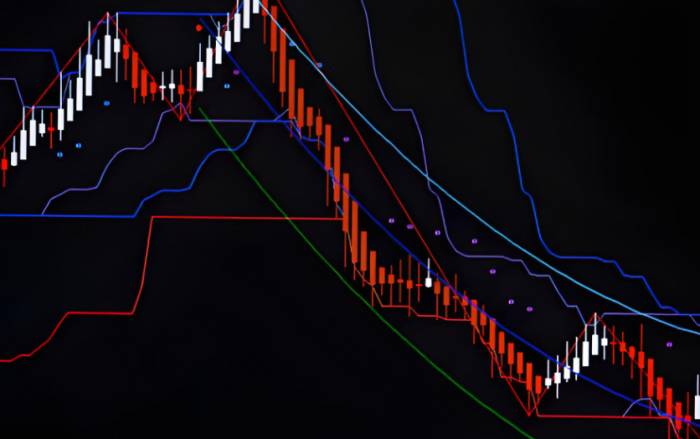
Technical analysis isn’t my religion, but it helps. As of this month, WTI crude is stuck between $72 and $80. The 50-day moving average is flat, and the RSI is neutral – textbook consolidation. I’d bet on a breakout, but which way?
- Bullish trigger: A surprise OPEC+ cut extension or a supply disruption (like a hurricane hitting Gulf of Mexico production).
- Bearish trigger: Poor economic data from China or the US, or an unexpected inventory build (EIA weekly data is my go-to).
My gut says we’ll see a brief dip below $70 before bouncing back. Why? Because the market loves to shake out weak longs before turning. I’ve been burned by that pattern enough times.
Long-Term Predictions Beyond Headlines
Look past the next few months, and the picture gets murky. Most analysts I respect see Brent averaging $75-$85 through 2025. But here’s where I disagree with the consensus:
The Peak Demand Myth
Yes, renewable energy is growing. But the energy transition is slower than many think. I’ve visited refineries in Texas and petrochemical plants in South Korea – they’re still running full throttle. Oil demand isn’t peaking until at least 2030, and even then, it’ll plateau, not crash. That means structural support for prices.
Underinvestment in New Supply
Since 2015, upstream capital expenditure has been below replacement levels. That means fewer new fields coming online. I spoke with an executive from a major exploration company last year; he said they’re only investing in projects with breakeven below $40. But that’s not enough to replace declining fields. The supply crunch is real, and it will push prices higher over 3-5 years.
| Scenario | Brent Price Range (2025) | Key Driver |
|---|---|---|
| Base Case | $75 - $85 | Gradual demand growth, OPEC+ discipline |
| Bull Case | $90 - $100 | Geopolitical disruption, severe supply shortage |
| Bear Case | $55 - $65 | Global recession, OPEC+ price war |
How Geopolitics Could Flip the Script
I’ve learned never to ignore tail risks. The biggest unknown is Iran. If the US reimposes snapback sanctions (unlikely but possible), crude could spike $10 instantly. On the other hand, a Russia-Ukraine ceasefire would remove a hefty risk premium. I’m watching the Strait of Hormuz like a hawk – any disruption there would send oil to $120 before breakfast.
What Should You Do Now?
Whether you’re an investor, a driver, or a business owner, here’s my unsolicited advice:
- For traders: Stay nimble. Use options to play both sides. I’m selling put spreads below $70 and call spreads above $85 to collect premium.
- For consumers: If you can, lock in fuel prices through hedging programs (like some airlines do). Gasoline likely won’t skyrocket, but summer driving season could push it up 20 cents.
- For businesses: Stress-test your budget for a $10 swing in oil. Many forget that transportation costs ripple through the entire supply chain.
Frequently Asked Questions
* This article has been fact-checked against data from the EIA, IEA, and OPEC monthly reports. Predictions reflect personal analysis and are not financial advice.