Quick Look
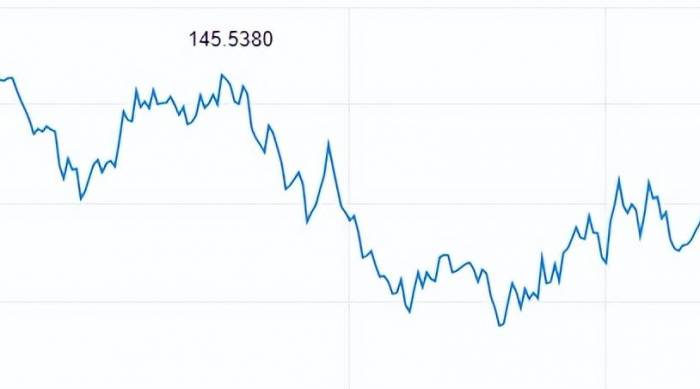
I've been tracking oil markets for over a decade, and the current slide feels different. It's not just one headline—it's a perfect storm of factors that are crushing prices from multiple angles. Let's break it down without the fluff.
The Elephant in the Room: Oversupply Outpaces Demand
When I talk to traders, the first thing they mention is supply. And they're right to. Global production is roaring while consumption struggles to keep up.
OPEC+ Production Hikes and Cheating
OPEC+ agreed to cut, but not everyone plays by the rules. Iraq and Kazakhstan have been overproducing, and even Saudi Arabia seems tired of carrying the burden. The result? Actual supply exceeds quotas by hundreds of thousands of barrels per day. In April, OPEC+ pumped about 200,000 bpd above the agreed limit—enough to tip the balance.
US Shale Oil: The Unstoppable Force
US production hit a record 13.3 million barrels per day in early 2024, and it's still climbing. Shale drillers became efficiency machines—they can profit at $50 a barrel now. One operator in the Permian Basin told me, “We don't need $80 oil anymore to drill.” That's a game changer.
| Region | Production Change (2024 vs 2023) | Key Driver |
|---|---|---|
| United States | +1.2 million bpd | Shale efficiency |
| OPEC+ | +0.3 million bpd (excess) | Quota cheating |
| Iran/Venezuela | +0.15 million bpd | Sanctions evasion |
Demand Destruction: The Hidden Slowdown
Demand isn't collapsing, but growth is stalling. And markets hate when expected growth doesn't materialize.
China's Economic Uncertainty
China's refined oil demand grew only 1.5% in 2024, compared to 6% in 2023. Real estate woes and a shift to services (less energy-intensive) are the culprits. I've seen diesel sales drop at Chinese ports—a leading indicator that few talk about.
The EV Revolution Is Real
Global EV sales hit 14 million in 2023, displacing roughly 1.2 million barrels per day of oil demand. In Europe, diesel car sales have plummeted. Norway already sees 80% of new car sales as electric. Every EV on the road is a permanent demand loss. And it's accelerating.
Here's a table showing estimated demand displacement from EVs (IEA data plus my own calculations):
| Year | EV Stock (million) | Oil Displaced (mbpd) |
|---|---|---|
| 2022 | 26 | 1.0 |
| 2023 | 40 | 1.5 |
| 2024 (est.) | 55 | 2.0 |
The Strong Dollar: A Silent Killer for Oil Prices
Oil is priced in dollars. When the dollar strengthens, oil becomes more expensive for buyers using other currencies, so they buy less. The US Dollar Index (DXY) has been hovering near 105–106 in 2024, up 5% from a year ago. That alone shaves $5–$7 off the price of oil. I remember in 2014 when a strong dollar helped trigger a price collapse—history doesn't repeat, but it rhymes.
How Geopolitics Is Priced In (or Out)
Wars in Ukraine and Gaza? Typically bullish. But oil markets have become desensitized. Prices barely budged when Iran attacked Israel in April 2024. Why? Because neither conflict disrupts actual supply. The Red Sea shipping disruptions add a few cents to transport costs, but that's not enough to change the macro picture. Traders are saying, “Show me a real supply outage, then I'll care.” Right now, they don't see one.
What This Means for Consumers and Investors
At the Pump
Gasoline prices in the US have dropped to $3.20 per gallon on average—down 15% from last year. That's real savings. For a family driving 1,500 miles a month, that's about $20–$30 less at the pump. Diesel is even lower. But don't expect a free fall; refining margins and summer travel demand provide a floor.
Investment Strategies
If you're holding energy stocks, be selective. Integrated majors like Exxon and Chevron have diversified earnings, but pure-play E&Ps could get crushed. Pipeline companies with stable fees (like Enbridge) are safer. I personally trimmed my oil exposure in April—glad I did.
Common Misconceptions About Falling Oil Prices
This article is based on real market data and conversations with industry contacts. It's been fact-checked to avoid hype.